Happy Sunday: A Handwritten Font That Brings Warmth to Your Work
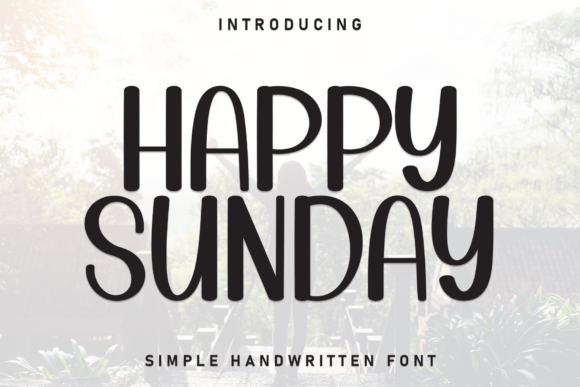
There’s a certain magic in the way a hand-lettered message feels—personal, immediate, and full of character. In a digital landscape crowded with sleek, sterile typefaces, a font that carries the warmth of a Sunday morning can be a powerful tool. Enter Happy Sunday, a captivating handwritten display font designed to infuse your projects with a glow of brilliance and comforting charm. It’s more than just a typeface; it’s an atmosphere, ready to weave its fanciful allure into everything from wedding invitations to brand identities.
A Font with Personality: Understanding the Happy Sunday Aesthetic
At its core, Happy Sunday is a display font with a distinct handwritten soul. Its strokes are confident yet fluid, avoiding the rigidity of formal scripts while maintaining excellent legibility. The letterforms have a playful, organic bounce, creating a rhythm that feels both joyful and authentic. This isn’t a font that tries to mimic precise calligraphy; instead, it embraces the beautiful imperfections of human touch, making it feel affable and approachable. The modern typography within its design ensures it feels fresh and relevant, not like a relic from a past era. It’s this blend of whimsy and contemporary sensibility that gives it such vibrant life.
From Screen to Shelf: Practical Applications for Creatives and Brands
The true value of any creative font lies in its versatility. Happy Sunday shines brightest when applied to projects that benefit from a personal, engaging touch. Consider its use across these common design scenarios:
- Brand Identity & Logo Design: For businesses that want to convey friendliness, creativity, or artisanal quality—think boutique bakeries, handmade cosmetics, coaching services, or lifestyle blogs—Happy Sunday can become the cornerstone of a memorable brand identity. It works beautifully for a logo’s wordmark or as a secondary typeface for taglines and subheadings, instantly setting a welcoming tone.
- Packaging Design: On product labels, boxes, or sleeves, this font adds a layer of handmade appeal. It suggests care and craftsmanship, which can elevate perceived value. Imagine it on a candle jar, a bag of artisan coffee, or a box of gourmet chocolates.
- Invitations & Stationery: This is where the font’s nuptial and celebratory nature comes alive. It’s a natural fit for wedding invitations, save-the-dates, birthday cards, and thank-you notes, offering a personal touch that digital fonts often lack.
- Digital Presence: For websites and blogs, particularly in niches like lifestyle, food, or personal development, using Happy Sunday for headers or featured quotes can break the monotony of standard web fonts. It adds visual interest and helps key messages stand out. Similarly, social media graphics—especially for quotes, announcements, or Instagram Stories—gain a significant boost in engagement with its eye-catching personality.
- Marketing & Editorial: Use it sparingly in marketing assets like flyers, posters, and email banners to draw attention to a call-to-action or a special offer. In editorial design, it can highlight pull quotes or chapter titles in magazines and books, adding a touch of whimsy to the layout.
- Merchandise & Digital Products: From T-shirt slogans to printable wall art and journal covers, the font translates seamlessly to physical and digital goods, creating products that feel custom and curated.
Making It Work: Practical Tips for Implementation
Introducing a distinctive handwritten font like Happy Sunday into your toolkit requires a bit of strategy to maximize its impact without compromising professionalism.
1. Pairing for Balance: A strong display font needs a reliable partner. For body text, pair Happy Sunday with a clean, highly readable sans-serif font or a simple serif font. This contrast ensures your main content remains easy to digest while allowing the headlines to sing. For example, a classic sans-serif like Montserrat or a gentle serif like Lora creates a harmonious and professional pairing.
2. Prioritizing Readability: While charming, script fonts and handwritten styles are best used for short bursts of text—headlines, logos, and callouts. Avoid setting long paragraphs in Happy Sunday, as its decorative nature can strain the eyes over extended reading. Always test your designs at the intended size to ensure clarity.
3. Exploring the Family: A quality premium font often comes with multiple styles. Check if Happy Sunday includes alternates, ligatures, or stylistic sets. These extra glyphs can help you customize letter connections and avoid repetitive shapes, making your typography look even more authentic and tailored.
4. Aligning with Project Goals: Ask yourself what emotion you want to evoke. Happy Sunday’s affable charm is perfect for projects aiming for warmth, joy, and approachability. If your goal is to convey stark minimalism, high-tech precision, or serious corporate authority, another typeface would be more appropriate. Matching the font’s personality to your project’s core message is key to effective visual communication.
5. Licensing for Commercial Use: If you plan to use the font in client work, merchandise for sale, or any commercial project, verify the licensing terms. A commercial font license is a critical, practical consideration that protects both you and the font creator. Ensure the license covers your intended use cases.
Elevating Your Visual Language
Ultimately, typography is a silent ambassador for your brand or project. The right typeface does more than display words; it builds visual consistency, strengthens brand recognition, and enhances audience engagement. By thoughtfully integrating a font like Happy Sunday, you’re not just decorating a design—you’re crafting an experience. It expresses pure delight with each stroke, transforming ordinary text into a focal point of imagination and visual appeal. Whether you’re a designer building a client’s brand, a small business owner crafting your packaging, or a content creator designing your next social post, this font offers a tangible way to inject personality and connect with your audience on a more human level.